
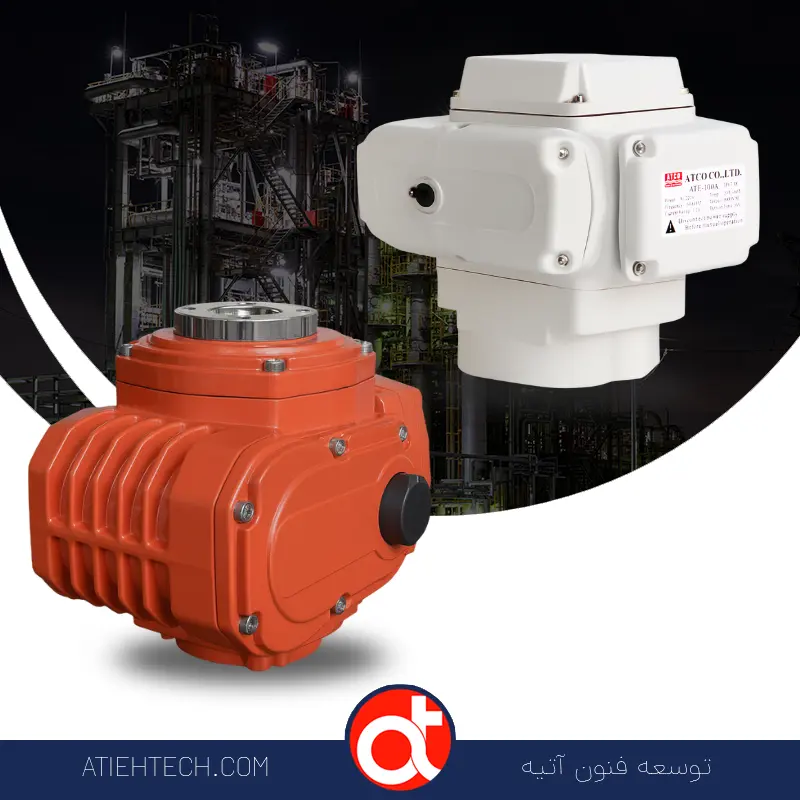
Difference Between a Standard and an Explosion‑Proof ATCO Electric Actuator
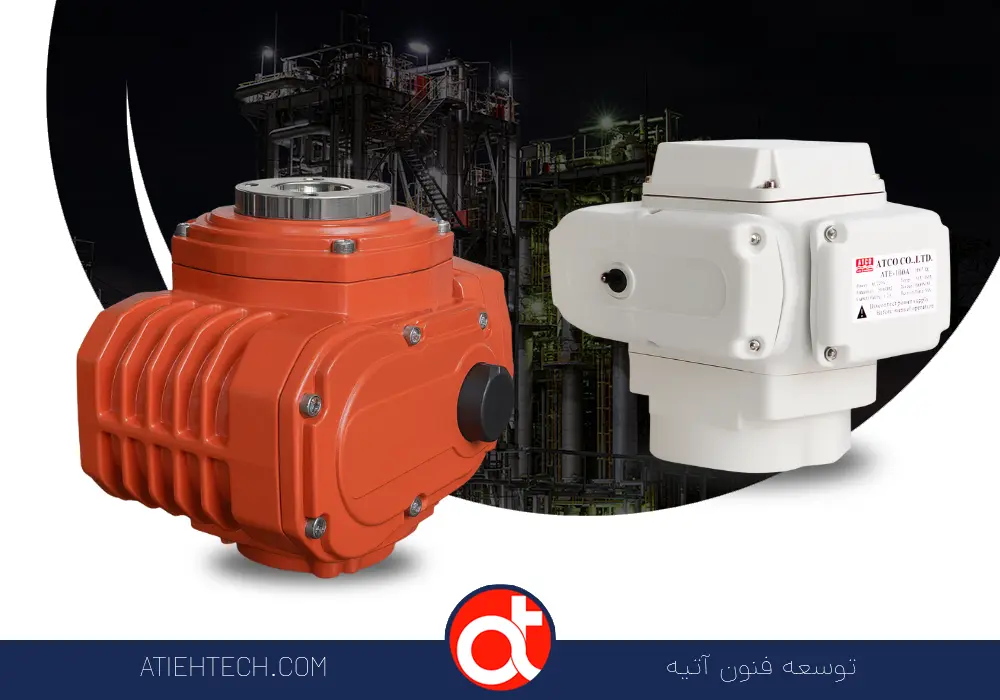
Difference between a standard ATCO electric actuator and an explosion‑proof ATCO electric actuator
Difference Between Standard and Explosion‑Proof Atco Electric Actuators | A Guide to Choosing the Right One
What is an Actuator and What is Its Application?
An actuator, or industrial operator, is a device that converts electrical, hydraulic, or pneumatic energy into mechanical motion. This motion is typically used to open and close industrial valves, control fluid flow, or adjust dampers in various industries.
The Atco brand is a reputable manufacturer in the field of industrial actuators, with products used in the oil and gas, petrochemical, water and wastewater, power generation, and even food industries.
Difference Between Standard and Explosion‑Proof Atco Actuators
Body Structure and Design
-
Standard Actuator: Simpler design, lighter body (aluminum or light steel), suitable for normal environments.
-
Standard Actuator: Simpler design, lighter body (aluminum or light steel), suitable for normal environments.
Motor and Electrical Circuit
-
Standard: Uses standard components without the need for special protection.
-
Explosion‑Proof: Circuits and motors are housed in explosion-resistant enclosures or designed to be intrinsically safe, ensuring that no sparks are transmitted to the surrounding environment.
Weight, Dimensions, and Cost
-
Standard: Lighter and more affordable, with easier installation.
-
Explosion‑Proof: Due to the heavy body and safety-focused design, it has larger dimensions and higher cost.
Suitable Operating Environments
-
Standard Actuator: Water and wastewater industries, HVAC systems, food industries, and any environment where there is no risk of flammable gases or dust.
-
Explosion‑Proof Actuator: High-risk environments such as refineries, petrochemical plants, gas pipelines, mines, and grain silos.
Why is the Explosion‑Proof Atco Actuator Essential in Critical Industries?
Safety in Explosion-Prone Environments
In environments where flammable gases, petroleum vapors, or dust are present, even the smallest spark can cause a major accident. Therefore, using an ATCO explosion-proof actuator with a durable body and safety standards is essential.
International Standards and Certifications
ATCO explosion-proof actuators typically carry international certifications such as ATEX and IECEx, indicating that the product is approved for use in hazardous areas (Zone 1, Zone 2, Zone 21, and Zone 22).
Guide to Choosing Between Standard and Explosion‑Proof Actuators
Checklist for Selecting the Right Actuator
-
Assess the Operating Environment: Is there a possibility of flammable gases or dust?
-
Determine the Required Standard: For the oil and gas industry, ATEX or IECEx certification is mandatory.
-
Project Budget: If the environment is safe, a standard model will be the more cost-effective choice.
-
Weight and Dimensions: In projects with space constraints or manual installation, a standard actuator is easier to install.
-
Lifespan and Maintenance: Although more expensive, the explosion-proof model offers greater durability in harsh industrial conditions.
Practical Examples
-
Petrochemical Industry: Using an explosion-proof actuator for control valves in gas pipelines.
-
Water and Wastewater Industry: Standard actuators for pumping stations.
-
Food Industry: Standard actuators for controlling temperature and fluid flow.
-
Grain Silos: Explosion-proof actuators to prevent dust-related explosions.
Price and Maintenance Cost of ATCO Actuators
Cost vs. Lifespan Comparison
-
Standard: Lower price and suitable for low-budget projects.
-
Explosion‑Proof: Higher initial cost, but longer service life in hazardous environments.
Service and Maintenance Considerations
-
Standard actuators are easier to service.
-
In explosion-proof models, servicing and disassembly must be performed by trained professionals following safety standards.
Frequently Asked Questions (FAQs)
What is the difference between explosion-proof and fire-proof actuators?
-
Explosion‑Proof: Prevents sparks or flames from spreading to the surrounding environment.
-
Fire-Resistant: It withstands high temperatures and direct flames.
These two concepts are not the same.
Can a standard actuator be used in a semi-hazardous environment?
If there is a possibility of gas leakage or combustible dust, using a standard actuator is dangerous and not recommended.
Which factors influence the price of an explosion-proof ATCO actuator?
-
Safety standards (ATEX, IECEx)
-
Required power and torque
-
Body material and special design for specific environments
Which certifications are valid for explosion-proof actuators?
The most important certifications include ATEX (Europe) and IECEx (International). In some countries, local standards such as UL or FM are also recognized.
Conclusion
Choosing between a standard and explosion-proof ATCO actuator depends on the operating environment. If you operate in a normal and safe environment, the standard model is the more cost-effective choice. However, in high-risk industrial environments such as refineries or mines, the only safe and reliable option is the explosion-proof actuator.
By clearly understanding the differences and paying attention to safety standards, you can choose the best option suited to your project.






Leave a Reply
Want to join the discussion?Feel free to contribute!